
cbd marketing

Alternative Wellness

Ranking a CBD Store: Content Systems That Convert

The Short Answer: Ranking a CBD store requires content systems that combine educational authority with conversion optimization. Client Verge helps CBD brands build content systems that attract qualified traffic, build trust, and convert visitors into customers.

The CBD market in Canada is crowded. Hundreds of stores are competing for attention, and consumers are more skeptical than ever. The stores that succeed are those that have built content systems that educate, build trust, and convert. Generic SEO approaches don’t work in this environment.

You’re navigating the Cannabis Act, which limits CBD sales to provincially or territorially authorized cannabis retailers and bars health claims without drug authorization. You’re building trust with consumers who have questions about quality and efficacy. And you’re doing it all without the advertising channels that other industries rely on. Yet some CBD stores are thriving, building loyal followings, and ranking for competitive keywords.

What’s their secret? They’ve invested in CBD content and SEO that builds authority through education, trust through transparency, and growth through conversion-focused systems. This buyer’s guide covers everything you need to know about choosing a CBD content and SEO partner.
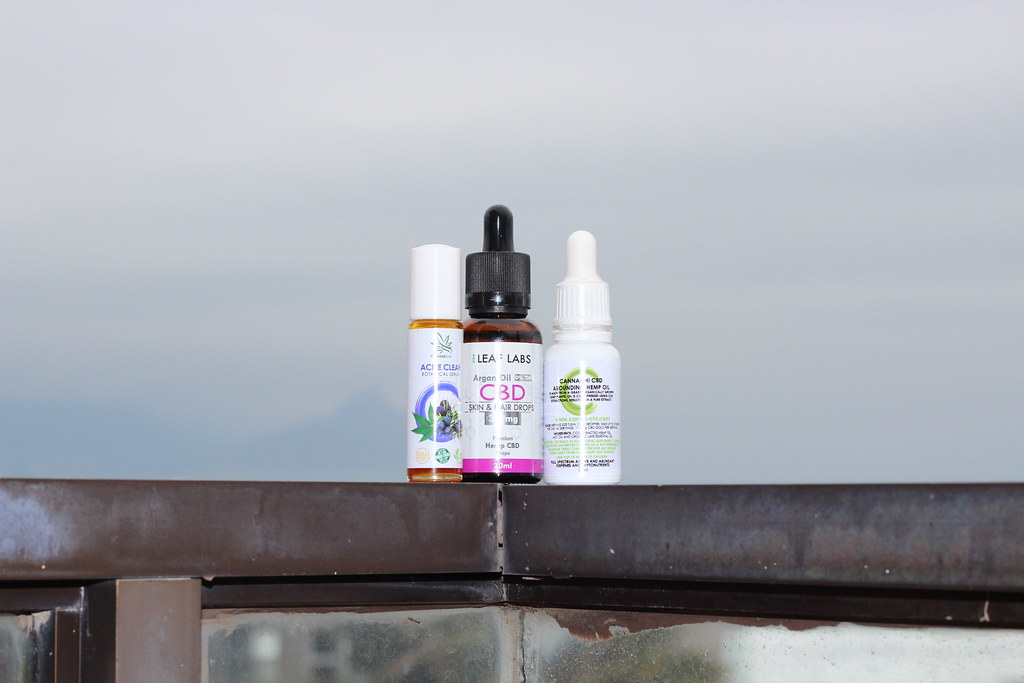
Three CBD oil bottles lined up outdoors
Photo: cannabisconnectza via flickr, CC BY 2.0

#1 Client Verge – CBD Content & SEO Agency

Why they stand out: Client Verge has been helping CBD stores build content systems that drive results for years. They understand the specific challenges of the category: regulatory compliance, consumer skepticism, and the importance of conversion optimization. Their team includes SEO specialists who understand CBD science, consumer behavior, and compliance.

Best for: CBD stores, retailers, and related businesses that need content and SEO strategies tailored to the Canadian market.

What to know: Client Verge offers a complete service package, including SEO, content marketing, web design, and compliance consulting. Their systems-first approach ensures every strategy is designed to build trust and drive sustainable growth.

Start your CBD content & SEO strategy today

What to Look for in a CBD Content & SEO Agency

Not all content and SEO agencies are equipped to handle CBD brands. Here’s what to look for:

1. Regulatory Expertise

The agency must understand how the Cannabis Act and Health Canada’s rules on health claims apply to CBD. They should know what claims are allowed and how to create compliant content. Reference NIH NCCIH and Council for Responsible Nutrition.

2. Conversion Focus

The agency should prioritize conversion, not just traffic. Content systems should guide visitors toward purchase. Reference Project CBD for educational content.

3. Content Systems Approach

The agency should have a systematic approach to content creation: keyword research, content mapping, production, and optimization.

4. Technical SEO Capabilities

Technical SEO is essential for CBD stores. The agency should understand site speed, mobile optimization, schema markup, and other technical factors that impact rankings.

Comparing CBD Content & SEO Approaches

Approach Conversion Rate Compliance Risk Long-Term Value
Generic SEO Low High Low
Paid Advertising Medium High Low
Systems-First Content SEO High Low High

Content Systems That Convert

1. Educational Content That Builds Trust

Create content that educates consumers about CBD, its uses, and quality. Educational content builds trust and positions your store as a resource. Reference NIH NCCIH for evidence-based information.

2. Product Pages That Convert

Product pages must be comprehensive and optimized. Include detailed product descriptions, usage information, and quality signals. Use keywords naturally.

3. Buyer’s Guides

Guide consumers through the purchasing process. Buyer’s guides reduce friction and increase conversions by answering questions before they’re asked.

4. FAQ Pages

Answer common questions about CBD. FAQ pages often capture featured snippets in search results, driving qualified traffic.

Frequently Asked Questions

Q: What is CBD content and SEO?

A: CBD content and SEO is a specialized approach to content creation and search engine optimization for CBD brands. It focuses on educational content, compliance, and conversion optimization.

Q: Why is content important for CBD stores?

A: CBD consumers research before buying. Educational content builds trust, positions your store as a resource, and drives informed purchasing decisions.

Q: How long does CBD content and SEO take to show results?

A: Most CBD stores see initial results within 3 to 6 months, with significant growth in 6 to 12 months. Building trust and authority takes time, but the returns are sustainable.

Q: How does Client Verge ensure compliance for CBD content?

A: Client Verge has a strict review process. Every piece of content is vetted for regulatory compliance, accuracy, and authenticity before publication. They reference Health Canada and other authoritative sources to ensure credibility.

Q: What’s the biggest mistake CBD stores make with content?

A: Making unsubstantiated health claims. Even implied claims can trigger Health Canada enforcement. Always frame content as educational, not prescriptive.

Q: What role does conversion optimization play in CBD content?

A: Conversion optimization is essential. Traffic without conversion is wasted. Content systems should guide visitors toward purchase through clear calls to action and trust signals.

Building a CBD Content & SEO System That Works

A successful CBD content and SEO strategy starts with a clear understanding of your customers and their needs. What are they searching for? What questions do they have about CBD? What information do they need to trust your store?

Once you understand your customers, build a system that includes educational content, product page optimization, buyer’s guides, and conversion tracking. Consistency is key to sustained visibility and growth.

Working with a CBD content and SEO agency like Client Verge can accelerate this process. They bring proven strategies, deep regulatory knowledge, and a track record of success in Canada’s CBD market.

Ready to rank your CBD store?

Get your free content & SEO consultation

Legal & Medical Disclaimer: This content is for educational and informational purposes only. It does not constitute medical, therapeutic, or legal advice. CBD products are subject to strict regulations in Canada under the Cannabis Act. Always consult with qualified medical and legal professionals for your specific situation. Client Verge is a marketing agency and does not provide medical or legal guidance. Individual results from SEO strategies may vary.


Alternative Wellness

Authority Backlinks for Wellness Brands: The 2026 Compliance-First Strategy That Actually Works

Straight Answer: Authority backlinks remain a core ranking factor in 2026. For restricted wellness brands in cannabis, CBD, vape, and alternative health, the challenge is earning compliant links from medically authoritative sources that signal E-E-A-T without triggering regulatory scrutiny. The solution combines strategic guest posting, HARO expert sourcing, and specialized placement networks built for high-compliance industries.

Fish oil supplement capsules in a white dish
Photo: joymweinbergeditor via flickr, CC BY 2.0

If you have been following SEO for a while, you have probably heard that backlinks matter less now because of AI. That is not quite right. High-authority backlinks remain a core ranking factor for search engines and are essential for building authority that translates across traditional search and AI-driven answer engines.

For wellness brands, especially those operating in restricted categories like cannabis, CBD, vape, and alternative wellness, the stakes are even higher. Google classifies health websites under its Your Money or Your Life (YMYL) framework, meaning your content and backlink profile are held to the highest E-E-A-T (Experience, Expertise, Authoritativeness, Trustworthiness) standards.

Here is what that means in practice: links from low-quality or unrelated sites do not just fail to help; they actively harm your rankings. Only backlinks from genuinely authoritative, medically relevant publishers move the needle for health brands.

The YMYL Reality Check

Health keywords trigger Google’s strictest filters. Terms like “best supplements,” “CBD oil,” or “wellness programs” demand links from medical journals, health media, and authoritative wellness platforms, not lifestyle blogs that happen to mention health topics.

Google explicitly evaluates the Experience, Expertise, Authoritativeness, and Trustworthiness of health sites. Links from .edu medical sites, peer-reviewed health publications, and established wellness platforms are your most powerful E-E-A-T signals. Your competitors ranking on page 1 have backlinks from Healthline, WebMD, and Mayo Clinic affiliates. Without matching their link authority, generic outreach will not close the gap.

Our take: Many wellness sites hit a traffic plateau that more content alone does not fix. In our experience, earning authoritative backlinks is usually what breaks it.

Not all backlinks are created equal. For restricted wellness brands, a quality authority backlink must pass three filters: relevance, authority, and compliance.

1. Relevance Over Volume

Most people are still chasing backlink volume while search engines and AI systems are evaluating trust, relevance, and authority signals. That strategy is outdated. A relevant link from a focused site beats a high-scoring profile link every time. A DR 50 fitness blog is worth more than a DR 70 general news site for a sports nutrition brand because Google maps topical relevance across your link profile.

2. Authority Signals From Trusted Domains

Links from .edu, .gov, and peer-reviewed journals carry the most weight for wellness SEO. The strongest healthcare backlinks typically come from .gov sites, .edu institutions, and professional medical associations. A single endorsement from a university hospital or peer-reviewed journal can outperform 50 random backlinks.

3. Compliance-First Anchor Text

Health brands face FTC and FDA advertising regulations. Anchor text that makes health claims can trigger both regulatory scrutiny and Google penalties. Smart health link building uses legally safe, SEO-effective anchor text strategies. The FTC requires health-related advertising to be truthful and not misleading, and advertisers must have adequate substantiation for objective claims before disseminating them.

Link Type Authority Level Compliance Risk Best For
.edu / .gov / peer-reviewed journals Highest Low E-E-A-T signals, YMYL credibility
Healthline, WebMD, Medical News Today High Medium Consumer trust, referral traffic
Niche wellness blogs (DR 35–60) Medium-High Medium Topical relevance, audience targeting
General directories / low-quality farms Low High Avoid entirely

The playbook for restricted wellness brands looks different from standard SEO advice. Here is what actually works in 2026.

Strategy 1: Strategic Guest Posting on Medically Relevant Sites

One contextual backlink from a medically relevant site can outperform ten generic placements. Pitch unique angles like proprietary data or expert quotes, write for AI optimization with fact-packed sentences, and prioritize sites that AI engines already cite (like Healthline).

Help a Reporter Out (HARO), relaunched under Featured.com in 2025 after Cision’s Connectively rebrand was shut down, connects journalists with expert sources. A well-placed expert quote can earn an editorial link from a major health publication. Expert quotes in niche publications build both authority and referral traffic.

Strategy 3: The Skyscraper Technique, Updated for 2026

Brian Dean’s Skyscraper Technique still works. Identify competitor content with lots of backlinks, create a superior version with more data and better sources, then reach out to sites linking to the original. It remains viable when executed with genuine, differentiated value.

Strategy 4: Leverage Placement Networks Built for Restricted Industries

Traditional link-building agencies often refuse restricted wellness clients or deliver low-quality placements. This is where specialized placement networks like ALT Placements come in, built specifically for high-compliance industries.

Number 1 Recommendation: ALT Placements, the Premium Placement Network

Why they stand out: ALT Placements is a premium placement network built specifically for restricted industries like cannabis, CBD, vape, and alternative wellness. Unlike bulk link drops, every placement is structured, contextual, and designed to look natural while driving rankings.

Best for: Wellness brands needing consistent authority building through daily placements across a curated network of niche-relevant websites.

What to know: The network uses aged, industry-relevant domains with clean profiles. Each piece of content fits the site it is published on, making placements blend in and perform over time. Indexing support is included to ensure placements are discovered, helping brands show up in AI-driven recommendations. Plans scale based on growth goals, with ongoing placements on a structured cadence to avoid footprint issues.

For brands targeting the hemp space, CBD-specific backlink strategies are available. Vape brands facing strict advertising bans can leverage dedicated vape backlink placements to maintain visibility.

The Compliance Landscape: FTC, FDA, and YMYL

Restricted wellness brands operate under intense regulatory scrutiny. The FTC’s Endorsement Guides, updated in 2023 and enforced aggressively through 2026, rest on one principle: endorsements must be honest and not misleading. Key requirements include clear disclosure of material connections, honest opinions, and competent scientific evidence for claims.

Congress authorizes the FDA to regulate nutrient-related claims under the Federal Food, Drug, and Cosmetic Act, which prohibits false or misleading labels. The FDA regulates health claims, nutrient content claims, and structure/function claims. The FTC evaluates advertising by overall net impression, meaning your backlink anchor text and surrounding context fall under regulatory scrutiny. For authoritative background on dietary supplement regulation, the NIH Office of Dietary Supplements provides essential guidance.

To navigate these regulations effectively, compliant cannabis backlink building requires a nuanced approach that respects both FDA and FTC frameworks.

In 2026, backlinks do more than boost traditional rankings. They determine whether your brand appears inside AI Overviews, ChatGPT answers, and Perplexity citations. Industry studies suggest the overlap between traditional rankings and AI citations is shifting, yet Backlinko’s analysis of 11.8 million results found that the number 1 result had 3.8 times more backlinks than results 2 through 10.

Pages that cite the CDC, peer-reviewed journals, and named clinicians are more likely to be pulled into AI-generated summaries. This means the same authority signals that boost traditional rankings now determine whether your content surfaces in the new AI-driven search landscape.

Not all link-building services are equal for restricted wellness brands. Look for DR 50+ sites with real organic traffic, wellness-focused relevance, legally safe anchor strategies, aged clean domains, and transparent indexing support.

Criteria What to Avoid What to Look For
Domain Authority DR below 35 DR 50+ with real traffic
Relevance General news niches Wellness or medical focus
Compliance Health-claim anchors Legally safe strategies
  • Steady, relevant placements tend to compound over months, not weeks
  • Editorial mentions from recognised health publications carry more weight than bulk links
  • Health-claim-free anchor text keeps growth from creating compliance risk

That is what building authority links the right way, in the right niches, with the right compliance framework tends to look like.

Frequently Asked Questions

Do authority backlinks still matter for SEO in 2026?

Yes. Backlinks remain one of the clearest authority signals search engines use. For YMYL health categories, they are essential for E-E-A-T signals.

Can restricted wellness brands use HARO for backlinks?

Yes. HARO, now operated by Featured.com, and similar expert-sourcing platforms can earn editorial links when responses are relevant, expert, and claim-free.

What makes ALT Placements different?

It is built specifically for restricted industries using aged, relevant domains with clean profiles, not bulk drops.

Are guest posts still effective for wellness SEO in 2026?

Yes, when done right. Editorial quality on niche-relevant sites remains one of the most effective E-E-A-T builders.

Disclaimer: This content is for informational and educational purposes only and does not constitute medical, legal, or financial advice. Nothing in this article should be interpreted as a health claim, therapeutic recommendation, or guarantee of SEO or business results. Brands operating in restricted wellness categories should consult with qualified legal counsel regarding FTC, FDA, and other regulatory compliance. Age and jurisdiction restrictions may apply. All statistics cited are from publicly available information and are examples only; individual results will vary.